Introduction
For any business—whether a startup, an e-commerce store, or a growing enterprise—understanding financial obligations is critical to survival and growth. Among these obligations, current liabilities play a central role in determining a company’s short-term financial stability. They directly impact cash flow, working capital, and the ability to meet immediate financial commitments.
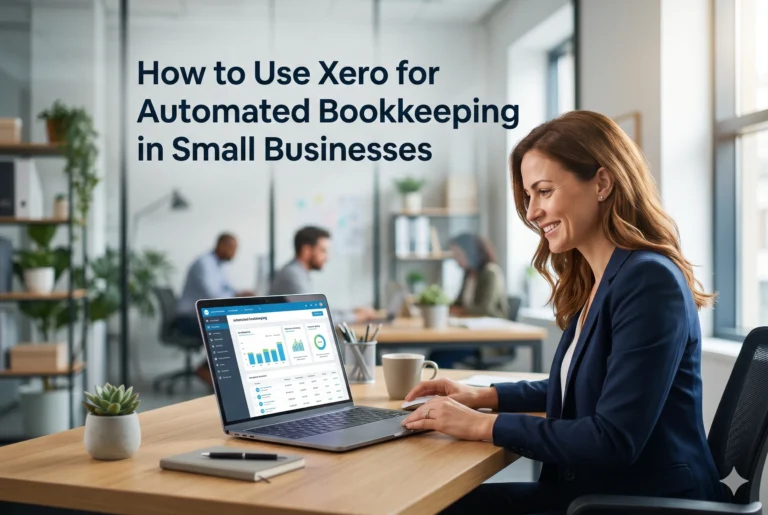
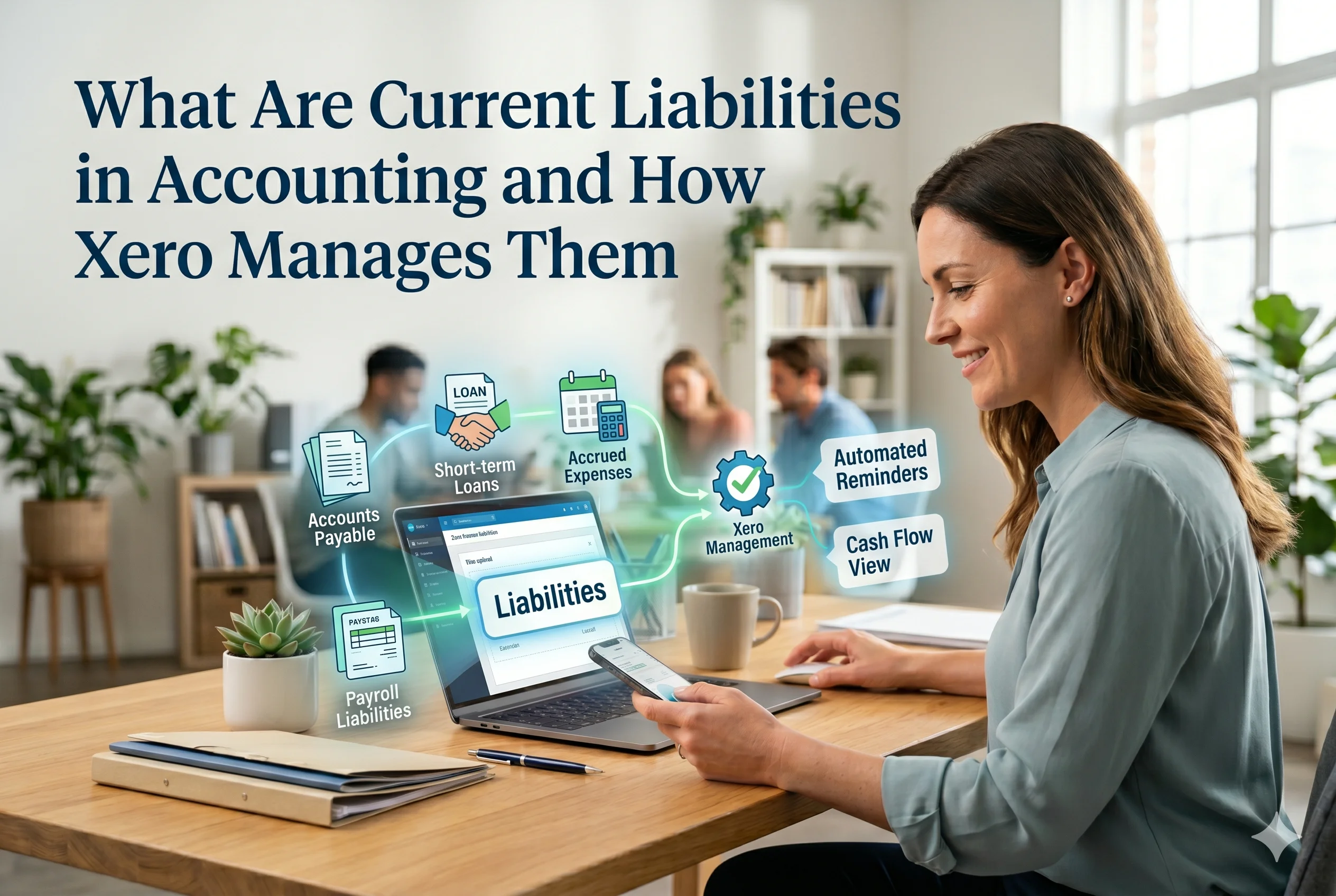
In modern accounting environments, tools like Xero have transformed how businesses track, manage, and optimize these liabilities. Instead of relying on manual spreadsheets or fragmented systems, businesses can now monitor obligations in real time and make informed financial decisions.
This article provides a comprehensive explanation of current liabilities in accounting, followed by a detailed exploration of how Xero simplifies and enhances their management for business professionals.
What Are Current Liabilities in Accounting?
Definition
Current liabilities are financial obligations that a business is required to settle within one year or within its normal operating cycle, whichever is longer. These liabilities are recorded on the balance sheet and represent claims against a company’s short-term assets.
In simple terms:
Current liabilities are short-term debts a business must pay soon.
Key Characteristics of Current Liabilities
To fully understand current liabilities, it’s important to recognize their defining features:
- Short-term nature: Due within 12 months
- Operational relevance: Arise from day-to-day business activities
- Settlement through current assets: Paid using cash, receivables, or inventory
- Impact on liquidity: Directly affects a company’s ability to meet obligations
Common Types of Current Liabilities
Accounts Payable
Amounts owed to suppliers for goods and services purchased on credit.
Example:
A retailer buys inventory from a supplier and agrees to pay within 30 days.
Accrued Expenses
Expenses that have been incurred but not yet paid.
Examples include:
- Salaries and wages
- Utility bills
- Interest expenses
Short-Term Loans and Borrowings
Loans that must be repaid within a year.
Taxes Payable
Obligations owed to government authorities, such as:
- Income tax
- Sales tax or VAT
- Payroll taxes
Unearned Revenue
Money received in advance for services or products not yet delivered.
Example:
A software company receives annual subscription fees upfront.
Current Portion of Long-Term Debt
The portion of long-term loans due within the next 12 months
Why Current Liabilities Matter for Businesses
Understanding current liabilities is not just an accounting exercise—it is a strategic necessity.
1. Liquidity Management
Businesses must ensure they have enough resources to pay short-term obligations.
2. Working Capital Optimization
Working capital is calculated as:
Current Assets − Current Liabilities
A healthy balance ensures smooth operations without financial stress.
Financial Decision-Making
High current liabilities may signal:
- Cash flow constraints
- Over-reliance on credit
- Potential risk to business continuity
Key Financial Ratios Involving Current Liabilities
Current Ratio
\text{Current Ratio} = \frac{\text{Current Assets}}{\text{Current Liabilities}}
- Above 1: Indicates strong liquidity
- Below 1: Signals potential financial risk
Quick Ratio (Acid-Test Ratio)
This excludes inventory and focuses on highly liquid assets:
- Provides a stricter measure of financial health
- Useful for businesses with slow-moving inventory
Challenges in Managing Current Liabilities
Before digital tools, businesses often faced several challenges:
- Missed payment deadlines
- Lack of visibility into outstanding obligations
- Manual errors in recording liabilities
- Poor cash flow forecasting
- Difficulty in reconciling accounts
These challenges can lead to penalties, damaged supplier relationships, and inefficient financial management.
Current Liabilities Features in Xero
Modern accounting platforms like Xero are designed to address these challenges by offering automation, visibility, and control.
Below is a detailed breakdown of how Xero manages current liabilities effectively.
Real-Time Accounts Payable Management
Xero provides a centralized dashboard for tracking all outstanding bills and obligations.
Key Capabilities:
- View all unpaid bills in one place
- Monitor due dates and payment status
- Track supplier balances instantly
Benefit:
Businesses gain complete visibility into what they owe, reducing the risk of missed payments.
Automated Bill Entry and Processing
Manual data entry is a major source of accounting errors. Xero minimizes this through automation.
Features:
- Upload bills via email or mobile app
- Automatic data extraction using OCR
- Categorization of expenses
Benefit:
- Saves time
- Reduces human error
- Ensures accurate liability recording
Smart Payment Scheduling
Xero allows businesses to schedule payments strategically.
Functionality:
- Set payment dates aligned with cash flow
- Group multiple bills for batch payments
- Avoid early or late payments
Benefit:
Improves cash flow management and prevents unnecessary penalties.
Bank Reconciliation Integration
One of Xero’s strongest features is its seamless bank integration.
Capabilities:
- Automatic bank feeds
- Matching transactions with recorded liabilities
- Quick reconciliation
Benefit:
Ensures that all liabilities are accurately reflected and settled in financial records.
Expense and Accrual Tracking
Xero supports proper recording of accrued expenses and outstanding obligations.
Features:
- Record expenses before payment
- Track recurring costs
- Manage payroll-related liabilities
Benefit:
Provides a true financial picture, even when payments are pending.
Financial Reporting and Insights
Xero offers advanced reporting tools to analyze current liabilities.
Key Reports:
- Balance Sheet
- Aged Payables Report
- Cash Flow Statement
Benefit:
- Helps identify overdue payments
- Supports better financial planning
- Enables data-driven decision-making
Multi-User Collaboration
Xero allows multiple users to access and manage liabilities simultaneously.
Features:
- Role-based permissions
- Real-time collaboration with accountants
- Audit trails for transparency
Benefit:
Improves efficiency and accountability in financial operations.
Integration with Third-Party Applications
Xero integrates with various business tools to enhance liability management.
Examples:
- Payroll systems
- Inventory management tools
- Payment gateways
Benefit:
Creates a fully connected financial ecosystem, reducing manual work.
Practical Use Cases of Current Liabilities in Xero
1. Small Business Owner
Tracks supplier payments and ensures bills are paid on time without disrupting cash flow.
2. E-commerce Business
Manages high-volume transactions and vendor payments efficiently.
3. Accountant or Bookkeeper
Maintains accurate financial records and prepares reports for clients.
4. Growing Business
Uses insights to optimize working capital and scale operations sustainably.
Comparison: Manual Accounting vs Xero for Current Liabilities
| Aspect | Manual System | Xero |
|---|---|---|
| Data Entry | Time-consuming | Automated |
| Accuracy | Error-prone | Highly accurate |
| Visibility | Limited | Real-time dashboard |
| Reporting | Manual effort | Instant reports |
| Payment Tracking | Difficult | Fully tracked |
Best Practices for Managing Current Liabilities
To maximize efficiency, businesses should follow these strategies:
- Monitor liabilities regularly
- Maintain a healthy current ratio
- Avoid excessive short-term debt
- Use automation tools like Xero
- Align payment schedules with cash inflows
Conclusion
Current liabilities are a fundamental component of financial management, directly influencing a business’s liquidity, operational efficiency, and overall stability. From accounts payable to accrued expenses, these short-term obligations must be carefully monitored and managed to ensure smooth business operations.
Modern accounting solutions like Xero have revolutionized how businesses handle these responsibilities. By offering real-time tracking, automation, and powerful reporting tools, Xero enables organizations to move beyond basic bookkeeping and adopt a more strategic approach to financial management.
For small business owners, accountants, and growing enterprises, mastering current liabilities—and leveraging the right tools to manage them—is not optional. It is a critical step toward building a financially resilient and scalable business.